1. Understand the Franchise Model Clearly
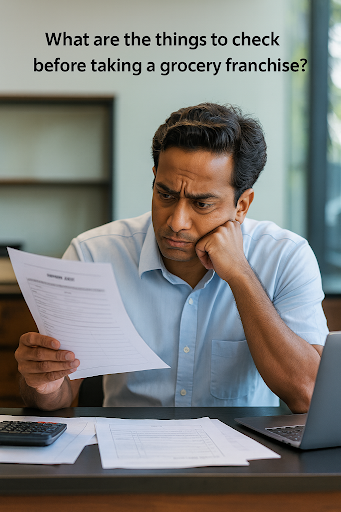
Before signing any agreement, understand how the franchise model truly works.
What to Clarify
- What support does the franchise provide?
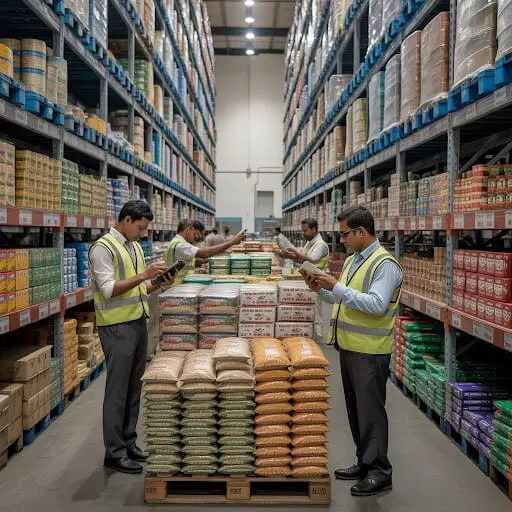
- Who controls procurement and pricing?
- What operational standards must you follow?
- Is it a full franchise or just brand licensing?
If the brand cannot explain its model clearly, take it as a warning sign.
2. Confirm the Real Investment (Not the Advertised Cost)
Actual investment is often higher than the marketing figure. Ask the brand for a complete list of all costs.
Investment Areas to Check
- Interior setup
- Racks and fixtures
- Billing + POS system
- Opening stock
- Licenses and compliance
- Store branding
- Security deposits
- Software or maintenance fees
4. Review the Margin Structure
Margins directly impact profitability. Ask for a category-wise margin list.
Typical Margin Ranges
- FMCG branded Items: 8–15%
- Household essentials: 20–30%
- Private label products: 20–40%
5. Check Location Approval & Market Study
Location plays a major role in how the store performs.
A good franchise brand should offer:
- Market analysis
- Competition mapping
- Footfall study
- Location suitability score
If the brand says “Open anywhere,” that shows lack of strategy.
6. Understand Training & Operational Support
Even experienced retailers benefit from structured franchise training.
Training must cover:
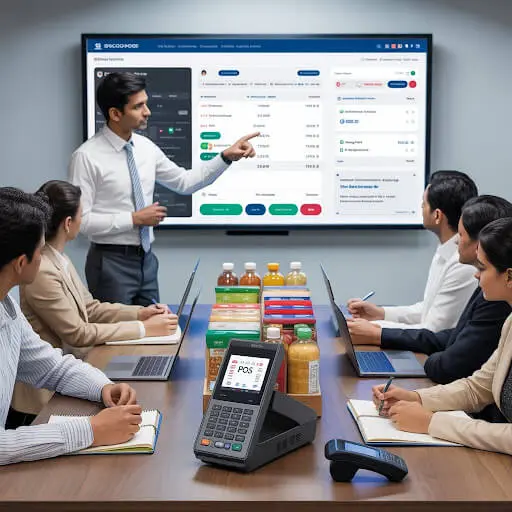
- Billing & POS
- Inventory management
- Staff handling
- Customer service
- Store opening guidance
- Operational troubleshooting
7. Evaluate Brand Reputation
Before investing, analyze how the brand is viewed publicly.
Check:
- Google reviews
- Social media activity
- Store photos/videos
- Customer comments
- Franchise owner feedback
A brand with consistent visibility usually offers more trust and organized operations.
8. Talk to Existing Franchise Owners
This gives real-world clarity no brochure ever will.
Ask Them:
- Are deliveries timely?
- Are margins as promised?
- Is support reliable?
- Any hidden costs?
- What challenges do they face?
- Would they reinvest?
Their answers are often the most honest insights you’ll receive.
9. Inspect the Technology System
Modern grocery stores depend on good technology.
Confirm the franchise offers:
- Reliable POS
- Billing automation
- Barcode scanning
- Stock alerts
- Sales reporting
- Inventory forecasting
10. Confirm Post-Launch Support
Most investors focus on pre-launch support, but the real test starts after opening.
Look for:
- Regular audits
- Stock planning
- Festive season strategy
- On-ground help
- Staff refresher training
- Technical support
A franchise that consistently sets a stronger foundation for long-term performance.
11. Understand ROI & Store Performance
Ask for real data, not enthusiastic promises.
Check:
- Average sales of similar stores
- Break-even time
- Monthly cost structure
- Profit margins
- Performance of stores in similar neighbourhoods
Most stable grocery franchises follow this pattern:
- Break-even: 6–12 months
- ROI: 12–18 months
Avoid brands that guarantee fixed earnings.
12. Read the Franchise Agreement Thoroughly
The agreement is the most important document.
Review:
- Duration
- Renewal terms
- Exit clause
- Refund rules
- Obligations of both parties
- Stock purchase rules
- Support commitments
Read patiently. Ask questions. Take someone experienced if needed.
Conclusion
Choosing a grocery franchise is not just an investment; it’s a long-term commitment. For middle-class investors especially, the right decision requires careful research. Use this checklist to evaluate supply chain strength, clarity of investment, margin structure, location feasibility, and long-term support.
A thoughtful decision today builds a more stable business tomorrow.
Frequently Asked Questions (FAQ)
-
Q1: What is the most important factor before choosing a grocery franchise?
Supply chain strength and margins are the most critical.
-
Q2: How much investment is needed for a grocery franchise?
Usually ₹5–20 lakh, depending on size and model.
-
Q3: Is a grocery franchise suitable for beginners?
Yes. Essentials have stable demand, but performance depends on location and brand support.
-
Q4: How long does ROI take?
Typically 12–18 months, depending on store performance.
-
Q5: What mistakes do new franchise owners commonly make?
Ignoring location analysis, not checking hidden costs, and trusting verbal promises.